
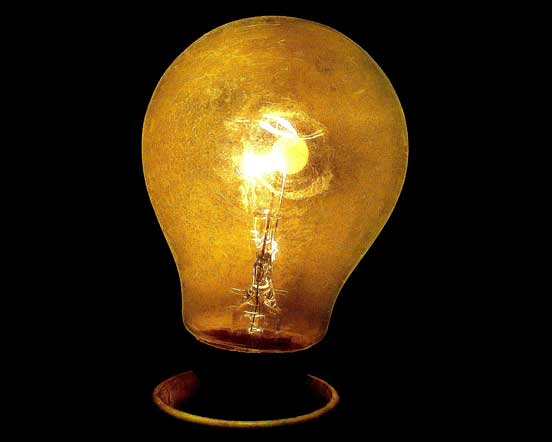
There are a countless number of objects we come across everyday- from teacups to taps to buildings. Most of the times, we pass and ignore them. But what if we could pour life into them using our own perspective of things? Painting a picture uing our own lenses and pixels? It is more fun than it sounds- still life photography depicts solitude, stillness and a state of "passive activeness".
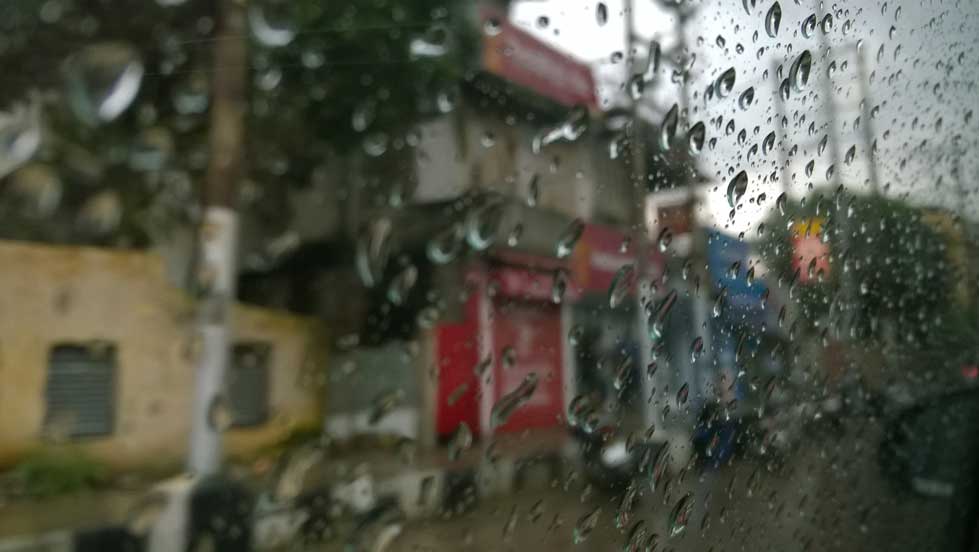 So what does it take to capture daily life objects? Well, there is no concrete answer- to many people, capturing good still life photos is a cakewalk, whie for others, it can get a bit messy,and they may turn up saying-"This was what I was not expecting!". There can be many reasons for that. Let's explore some tips by which we can become better at clicking still life:
There's a reason why in film direction, they always say "Lights,Camera, Action" in an order. Lighting is an important part of any photography, let alone still life. Creating the proper light effects invloves proper knowledge of the lighting equipment used, ISO and exposure values. Although there are a plenty of tools available to control lightingafter a photo has been captured, you need to make sure that your subject gets the best possible light.
Modern design theory favours the minimalistic approach and that is what naturally works for the human eye- too many distractions in the background can make the photo tiring to the eyes and distract subject. It is always good to maintain the optimal focus to your subject so that one can easily differentiate it from the background. Optimal focus should maintain the balance between very high and very low aperture- causing too much blur in the background makes the image seem like an edited one.
Different objects have different colours that naturally suit them- some objects look good in grayscale while sepia favours others- you need to figure out which filters make the object look more appealing, proper play with shadows is also required here. Initially experimenting with hit-and-trial will work and eventually you get the hang of what works out.
Though there is no set rule for composition and it all depends on how you look at the object, some things are to be kept in mine. First of all, try not to zoom in a lot into the object. You may lose details and some grace of the image. A side view of the object(again, this is an advise- see what works for you) makes it look fresh and creates a sense of innovation the frontal view may not create. Also, it is preferred that embedded shapes(like a circle object in a square) bring more richness to the image.
So that was all for the tips. Do visit the contact page for any suggestions or feedback on the same!